A Portal for Curious Minds

“ In-depth conversations on emerging and evolving research topics and original ideas with researchers, explorers and thought leaders from around the world.

Featured Conversation

“

Listen and subscribe on Apple Podcasts Spotify TuneIn or your favourite podcasting platform, or stream from Bridging the Gaps website.

Featured Guests

“

Explore our Audio Shelf for quick glimpses of topics and guests, or scroll down for full posts and related podcasts.

đź”—
Connect With Us
Connect on LinkedIn, Twitter, Facebook or drop us an email.

By |May 1st, 2022|Information, Podcasts, Research|

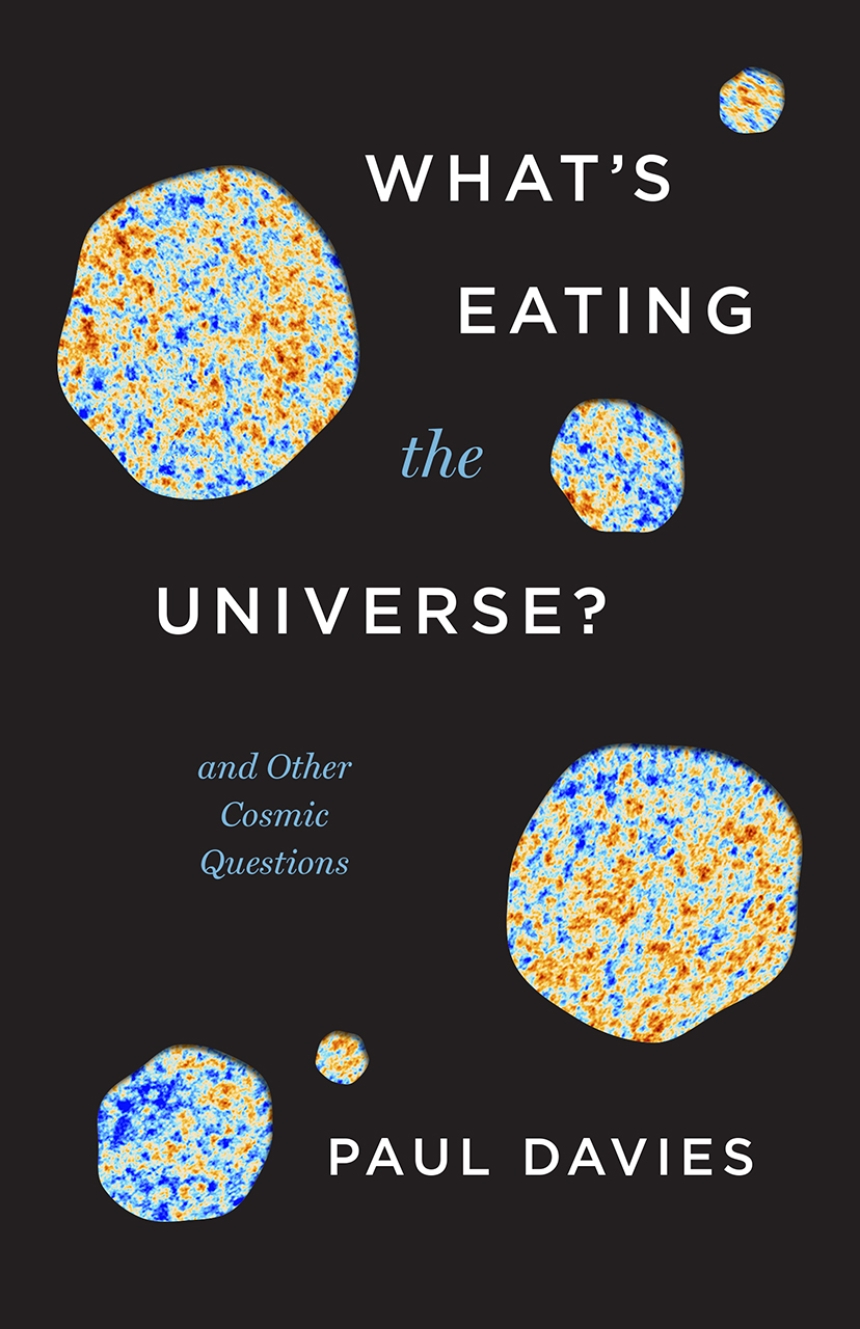
“What’s Eating the Universe?” with Professor Paul Davies

The universe is full of mysteries that scientists are still trying to understand. In the constellation of Eridanus, astronomers have discovered a strange region that looks like a giant hole in space. What caused it? This is just one of many fascinating questions about the universe. In “What’s Eating the Universe?”, famous cosmologist Paul Davies explores some of the biggest mysteries of space, including enormous black holes, disappearing regions of the universe, and the possibility of one universe swallowing another. He also explores two of the most important questions in science: Why does the universe exist, and how did lifeless particles eventually produce intelligent beings capable of thinking and questioning their existence? Through exciting discoveries and thought-provoking ideas, this book takes readers on a journey through space and time, encouraging curiosity about the universe, its origins, and the mysteries that remain unsolved. In this episode of Bridging the Gaps, I speak with Professor Paul Davies.

Paul Davies is a theoretical physicist, cosmologist, astrobiologist, broadcaster, and best-selling author. A winner of the prestigious Templeton Prize, he is Regents’ Professor of Physics and director of the Beyond Center for Fundamental Concepts in Science at Arizona State University.

Our conversation begins with a discussion about the structure of the book. Unlike his previous books, which explore specific topics through longer chapters, this book features short, accessible chapters, each addressing a fascinating question about the cosmos.

I then ask Paul about the intriguing title: What exactly is eating the universe? This leads us to explore the large-scale structure of the cosmos and the remarkable mathematical precision of its physical laws. We discuss whether mathematics is something humans invent or discover, and how mathematical principles help us understand the universe.

Next, we explore the nature of information and whether it might be a fundamental feature of reality. Our discussion then turns to the relationship between physics and biology. Can existing physical laws fully explain life, or do we need new physics? We also examine Paul’s view of life as a system that processes and replicates information, leading to one of science’s greatest mysteries: How did life begin?

We then consider the search for extraterrestrial intelligence and two possible outcomes: discovering that we are not alone or finding that life may be unique to Earth. I ask Paul which possibility he would find more troubling.

Towards the end, we explore some of the deepest questions raised in the book: Does the universe have meaning or purpose? How does consciousness emerge from physical processes? And will scientists ever develop a unified theory of everything?

Overall, this has been a fascinating and thought-provoking conversation, exploring the mysteries of the universe, the origins of life, and the fundamental nature of existence.

Complement this discussion with “Ten Patterns That Explain the Universe” and “Ten Days in Physics That Shook the World” with Brian Clegg and then listen to “Welcome to the Universe in 3D: A Visual Tour” with Neil deGrasse Tyson.

By |October 17th, 2026|Cosmology, Physics, Podcasts|

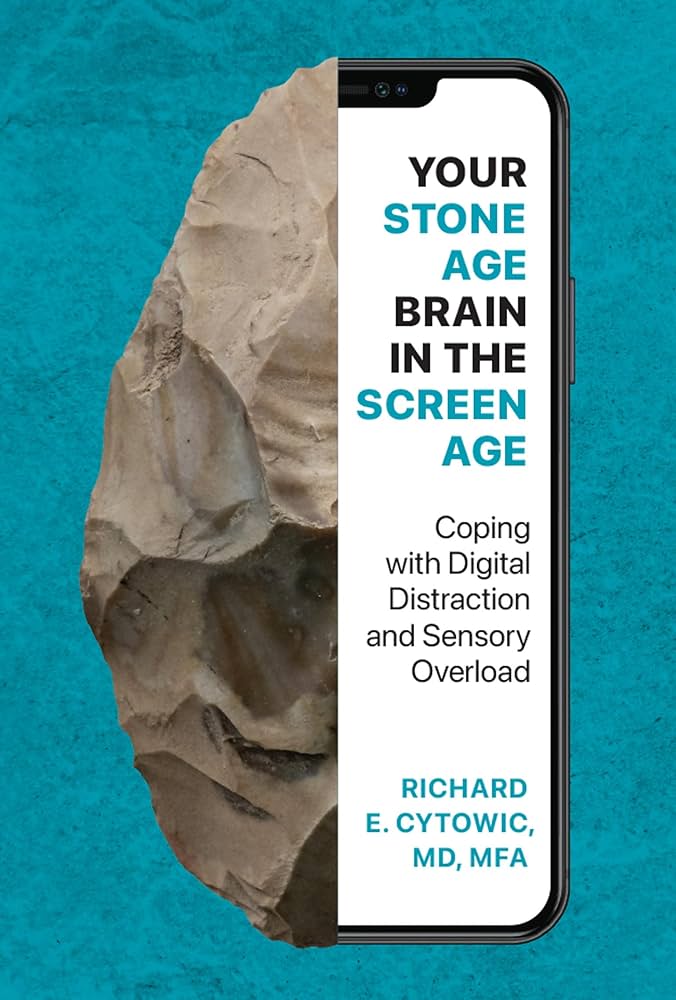
“Your Stone Age Brain in the Screen Age: Coping with Digital Distraction and Sensory Overload” with Professor Richard Cytowic

The human brain evolved for a prehistoric world, not for the demands of the digital age. Yet modern technologies constantly compete for our attention. They exploit ancient systems linked to reward, emotion, comparison, and survival. In his new book, “Your Stone Age Brain in the Screen Age”, Professor Richard Cytowic explores this conflict. He explains why the brain struggles to resist smartphones, social media, and other digital devices. He also examines why developing brains are particularly vulnerable and why periods of silence remain essential. In this episode of Bridging the Gaps, I speak with Professor Richard Cytowic.

Richard E. Cytowic, a pioneering researcher in synesthesia, is Professor of Neurology at George Washington University. He is best known for rediscovering synesthesia—the involuntary coupling of the senses—and returning it to mainstream science. He coauthored “Wednesday Is Indigo Blue” that won the Montaigne Medal.

I begin by asking Richard about the brain’s energy consumption, particularly in relation to attention, information overload, and digital distraction. We also compare the brain’s energy demands with those of other organs and bodily functions.

The book opens with a description of a typical day in the life of a Stone Age human. This leads us to consider a central question: how does an ancient brain function in a radically modern environment? We discuss how people respond to new technologies and why innovations are often adopted so quickly.

The conversation then turns to digital distraction. Richard explains what happens when the brain repeatedly shifts attention and why true multitasking is difficult. We also examine the effects of blue light, the pursuit of happiness through digital devices, and the growing influence of the attention economy.

A particularly striking part of the discussion concerns “virtual autism.” We explore whether excessive screen use and reduced social interaction can produce behaviours that resemble signs associated with autism. We also discuss the idea of engineered addiction and ask whether digital detoxes are genuinely effective.

The discussion then considers possible solutions. These include spending more time in nature, engaging directly with other people, reducing reliance on digital devices, and creating space for silence and reflection. We examine why solitude and quiet may be essential for mental balance.

Finally, Richard explains synaesthesia and how it reveals the brain’s remarkable ability to connect different sensory experiences. Overall, the conversation offers an insightful exploration of attention, technology, behaviour, and the continuing influence of our evolutionary past.

Complement this discussion with “On Task: How Our Brain Gets Things Done” with Professor David Badre and the listen to “Zero to Birth: How the Human Brain Is Built” with Professor William Harris.

By |August 3rd, 2026|Neuroscience, Social Science|

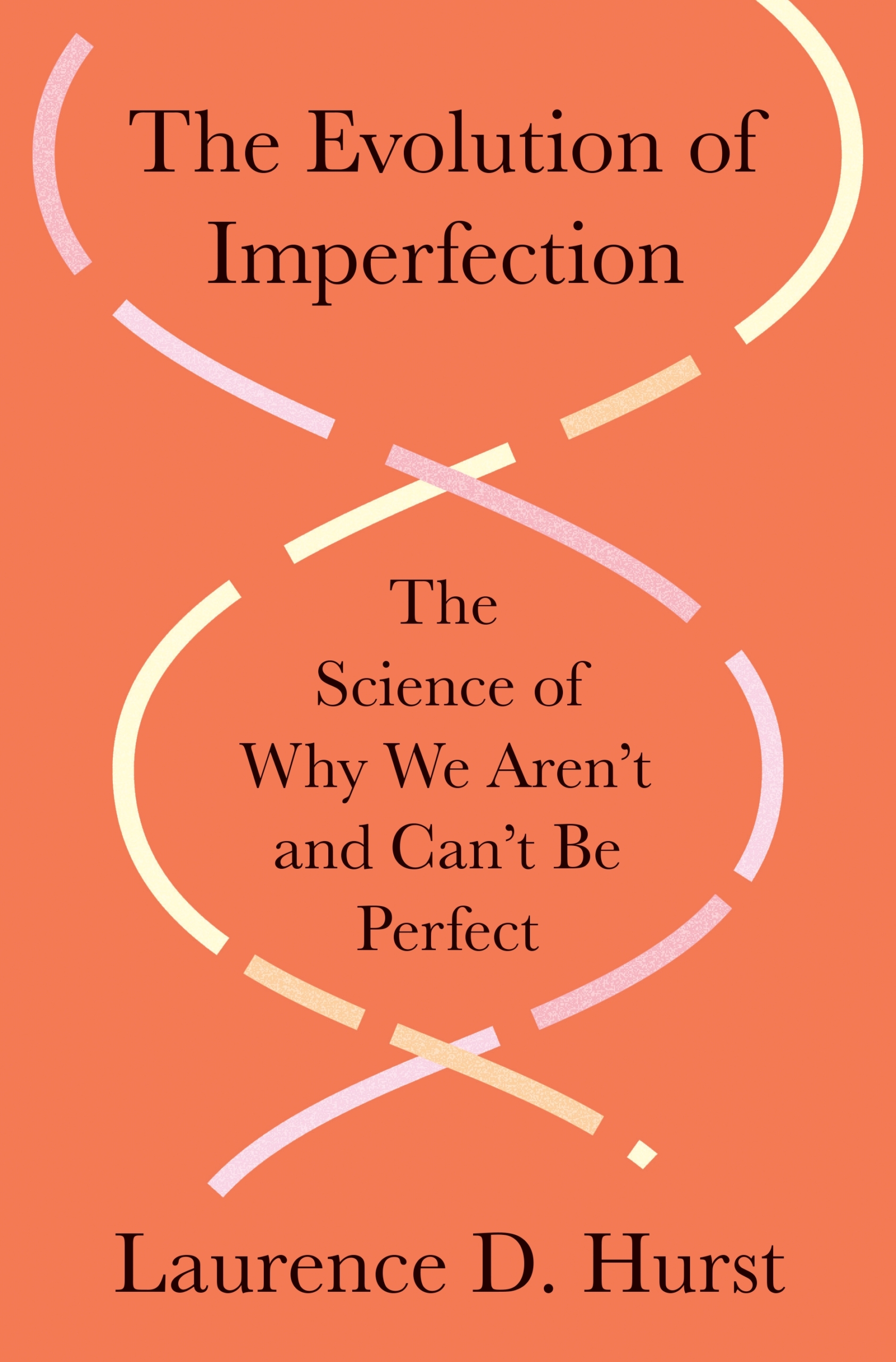
“The Evolution of Imperfection: The Science of Why We Aren’t and Can’t Be Perfect” with Professor Laurence Hurst

Evolution is often described as a process of constant improvement. Yet many features of human biology challenge this assumption. Genetic diseases remain common. Large parts of our DNA appear to serve no clear purpose. Pregnancy is also highly inefficient, and many fertilised eggs do not survive.

These apparent flaws raise wider questions about how evolution works. Are they failures of natural selection, or are they predictable outcomes of evolutionary processes? What role do pregnancy, population size, mutation, and chance play in shaping the human genome?

In his book, “The Evolution of Imperfection: The Science of Why We Aren’t and Can’t Be Perfect” evolutionary geneticist Laurence Hurst examines these questions. He explores how genetic medicine may reduce the effects of these inherited weaknesses. By examining the apparent failures of evolution, the book offers a deeper account of natural selection and a richer understanding of what it means to be human. In this episode of Bridging the Gaps, I speak with Professor Laurence Hurst.

Laurence Hurst is professor of evolutionary genetics in the Milner Centre for Evolution at the University of Bath. His research on how genetic systems evolve, and the application of this knowledge to medicine, has been recognized with national and international prizes and fellowships.

We begin by discussing several evolutionary imperfections examined in the book. I then ask Laurence to explain what DNA is and how it contributes to evolution. His explanation provides a foundation for the rest of the conversation.

We return to the question of imperfection and examine it through the lens of genetics. We discuss the biological challenges of pregnancy and the complex interaction between the embryo and the mother. Laurence explains why some of these processes appear counterintuitive. We also discuss the role of chance in shaping evolutionary outcomes.

The conversation also explores so-called “junk DNA,” the sections of the genome whose functions remain unclear. We then turn to emerging technologies, including gene therapy and CRISPR. We consider how fair and equal access to these tools could help address genetic diseases and inherited imperfections.

The discussion offers an insightful exploration of several complex ideas in evolution, genetics, and modern medicine.

Complement this discussion with “The Evolution of Biological Information: How Evolution Creates Complexity, from Viruses to Brains” with Professor Christoph Adami and then listen to “The Network of Life: A New View of Evolution” with Professor David Mindell

By |July 22nd, 2026|Biology, Podcasts|